Pure Vanilla Extract vs. Vanilla in Perfume
Few ingredients are as familiar as vanilla. It is the quiet base in cookies and custards, and it is one of the most loved notes in perfume. The same bean that flavors your cake can also make a scent feel warm, soft, and calm on skin.
This guide explains pure vanilla extract, where it comes from, how it differs from vanilla essence, and how to make vanilla extract for baking. Then it moves from the kitchen to fragrance, where vanilla plays a very different role.
What is pure vanilla extract?
Pure vanilla extract is made by soaking cured vanilla beans in alcohol and water. Over time, the liquid pulls out the bean's flavor and aroma compounds, and vanillin is the best-known one.
In the United States, pure vanilla extract has a legal standard. The FDA says it must contain at least 35% alcohol and at least 13.35 ounces of vanilla beans per gallon of liquid. Products that fall short, or use only synthetic vanillin, cannot be sold as pure extract.
That is why real extract tastes fuller than imitation flavoring. A cured bean holds hundreds of aroma compounds beyond vanillin. Those extra notes give pure vanilla extract a creamy, light woody, and sometimes floral depth.
Where does vanilla extract come from?
Vanilla comes from the seed pods of a climbing orchid, mostly Vanilla planifolia. The plant grows in warm, wet tropical places near the equator. Each region gives the beans a different character:
- Madagascar (Bourbon vanilla): the world's largest producer, known for rich, creamy vanilla.
- Mexico: vanilla's birthplace, often smooth with a light spice.
- Tahiti: grown from a different species, Vanilla tahitensis, with a more floral, fruity profile.
A short history of vanilla
The Totonac people of what is now Veracruz, Mexico, were among the first to grow vanilla. Spanish explorers brought it to Europe in the 16th century, where it became a luxury flavor. For many years, the orchid would not make pods outside Mexico because its native pollinators were not there.
That changed in 1841, when Edmond Albius, a 12-year-old enslaved boy on Réunion, found a fast way to hand-pollinate the flowers. His method is still used today. It helped make vanilla farming possible across the tropics, including Madagascar.
Hand pollination is one reason vanilla is costly. Each flower opens for about a day and must be pollinated by hand. After that, the pods cure and dry for months before they are ready to use.
Vanilla extract vs. vanilla essence
The names sound alike, but they usually mean different things on a grocery shelf:
| Pure vanilla extract | Vanilla essence / imitation vanilla | |
|---|---|---|
| Source | Real vanilla beans | Usually synthetic vanillin |
| Flavor | Layered, creamy, complex | Sweeter, flatter, one-note |
| Price | Higher | Lower |
| Best for | Custards, ice cream, simple cakes where vanilla leads | Spiced or chocolate bakes where vanilla stays in the background |
So when a recipe or a shopping list leaves you wondering whether you need pure vanilla extract, vanilla essence, or an organic vanilla essence, the answer depends on how much the vanilla needs to stand out.
If you want organic vanilla essence, read the label with care. Organic labels must use organic ingredients, but strength and quality still vary, so you may need to adjust the amount in a recipe.
How to make vanilla extract at home
Homemade vanilla extract takes a few minutes of work and a lot of patience. You will need:
- Whole vanilla beans from a food-grade supplier
- A neutral 80-proof spirit such as vodka
- A clean glass jar with a tight lid
- Split the beans lengthwise to expose the seeds.
- Put them in the jar and pour in enough alcohol to cover them.
- Seal and store the jar somewhere cool and dark.
- Shake it every week or so.
- Wait at least two months, then taste it. Leave it longer for a deeper flavor.
Vanilla extract replacements
If you run out, vanilla bean paste or the seeds from one bean are the closest vanilla essence replacement in baking. Maple syrup, a little bourbon, or a small splash of almond extract will not taste like vanilla, but they can add warmth and depth to many bakes.
From the kitchen to fragrance: how vanilla works in perfume
Vanilla is one of perfumery's most important materials. The same traits that help in baking also help on skin. It softens sharp edges, adds warmth, and makes other notes feel fuller.
Perfumers do not use kitchen extract. Fragrance uses skin-safe materials such as vanilla absolute, CO2 extracts, and vanillin, blended into a perfume base. In a scent, vanilla usually sits in the base notes, so it lasts longest and shapes the dry-down over time.
Vanilla in perfume is rarely just sweet. With woods, it can feel smoky and smooth. With citrus, it turns bright and creamy, almost like dessert. With spice, it feels warm and cozy.
If you want to go deeper on the note itself, read what vanilla smells like in perfume.
About House of Marsté
House of Marsté is a luxury fragrance and beauty house inspired by Paris. It is built on a simple idea: your scent should feel as personal as you are.
Founded by Marlena Stell and made with master perfumer Michael Nordstrand, the collection includes three fine fragrances. Each is named for a part of the city: Jardin du Luxembourg, Montmartre Midi, and Une Nuit Parisienne.
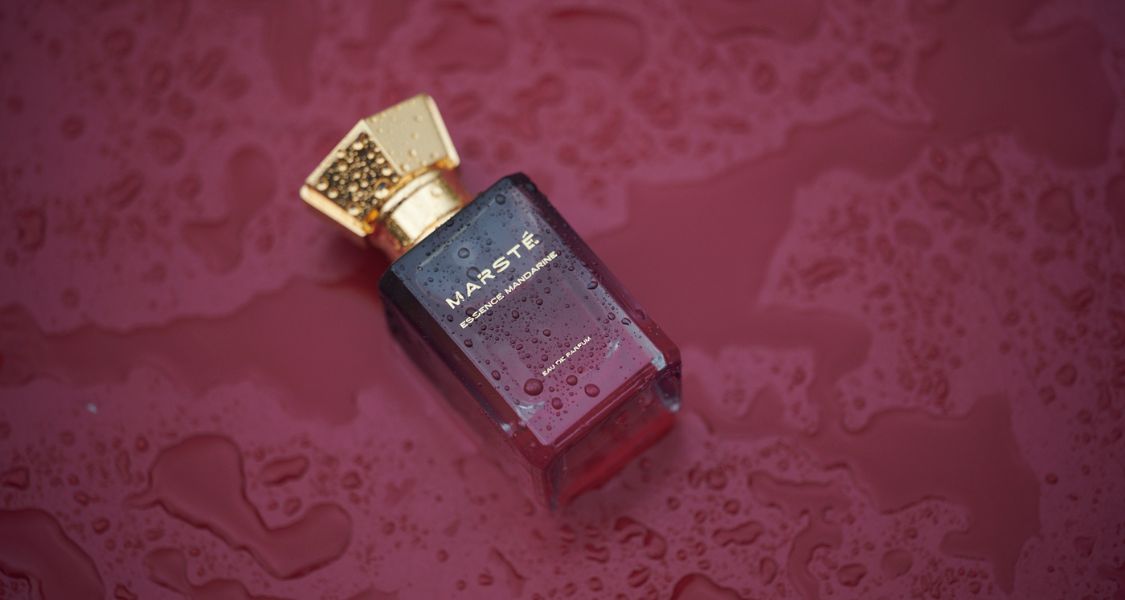
It also includes three layering essences: Vanille, Santal, and Mandarine.
Each scent can be worn alone or mixed with the others. Instead of choosing one fixed perfume from a shelf, you build a signature scent.
Meet Essence Vanille
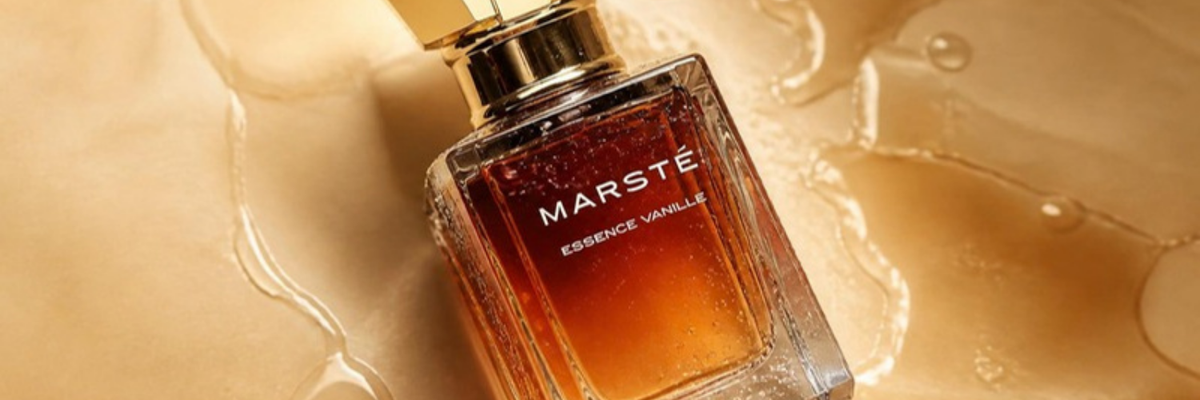
Essence Vanille is House of Marsté's vanilla layering essence. It is a sweet, woody, citrusy eau de parfum built around a rich vanilla note. Woody coriander keeps it from feeling too sweet, and bright key lime keeps it light.
Like every Marsté essence, it can be worn alone or layered with another fragrance to change its feel. One or two sprays add creamy warmth to a brighter scent and soften a darker one.
It pairs well with Essence Mandarine for a creamsicle-like lift, and with Une Nuit Parisienne for something deeper and more sensual.
Our guide to how to layer fragrances walks through the method.
Please note: Essence Vanille is an eau de parfum for skin. It is not food-grade, so you should never use it in cooking or baking.
Try it before you commit
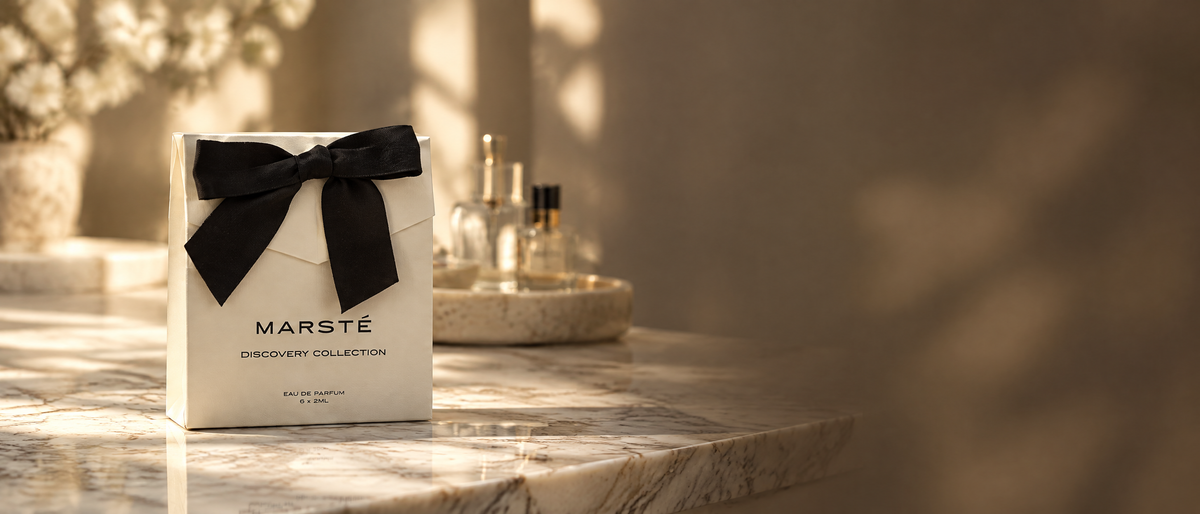
If you are curious about vanilla in fragrance but not ready for a full bottle, the Discovery Collection includes a 2ml sample of Essence Vanille with our other five scents. That lets you test it alone and in layers.
See our Discovery Set guide for tips on testing at home.
Frequently asked questions
Where does vanilla extract come from?
Pure vanilla extract is made from the cured seed pods of the vanilla orchid. The beans are grown mainly in Madagascar, Mexico, Tahiti, and other tropical regions, then soaked in alcohol and water to extract their flavor.
What is the difference between vanilla extract and vanilla essence?
Pure vanilla extract is made from real vanilla beans and must meet FDA standards for bean and alcohol content. Vanilla essence is usually made with synthetic vanillin, so it is cheaper but less complex.
Can I use vanilla perfume or Essence Vanille in baking?
No. Perfumes, including Essence Vanille, are made for skin and are not safe to eat. For baking, use food-grade pure vanilla extract, vanilla bean paste, or vanilla beans.
Why does vanilla smell so comforting in perfume?
Vanilla is warm, soft, and familiar, and many people connect it with home and baking. In a fragrance, it often sits in the base, rounding out other notes and lasting through the dry-down.
What does Essence Vanille smell like?
Essence Vanille is a rich, creamy vanilla with woody coriander and bright key lime. It offers sweetness and comfort without being sugary, and you can wear it alone or layer it with other Marsté fragrances.
From House of Marsté