Popular Fragrances: A Guide to Top Perfumes and Colognes by Scent Family
Fragrance is personal, but a good starting point makes the search much easier. Popular colognes and perfumes tend to earn attention because they balance memorable scent notes, wearable performance, and a clear mood, whether that mood is fresh, warm, romantic, bold, or quietly luxurious. This guide groups well-known options by scent family and brand style so you can compare top fragrances with more confidence before testing them on your own skin.
Along the way, we'll point out where our own House of Marsté fragrances fit, so you can see how each scent family translates into a real bottle.
Which scent families are most popular right now?
The most popular fragrance families today include woody, amber, citrus, floral, gourmand, musky, and fresh aromatic scents. Each family creates a different impression: citrus feels clean and energetic, woods feel polished and grounded, florals can be soft or dramatic, and amber or gourmand notes often read warm, sensual, and long-lasting.
Understanding these categories helps you move beyond vague fragrance reviews and focus on what you actually enjoy. If you keep liking perfumes with sandalwood, cedar, vanilla, jasmine, patchouli, or musk, that pattern is more useful than chasing every new launch. It also makes online shopping less risky, because note descriptions start to mean something practical.

Woody and musky scents for everyday polish
Woody fragrances are among the easiest to wear because they can feel clean, elegant, and confident without being too loud. Sandalwood, cedar, vetiver, and patchouli often give these scents structure, while musk can make them softer and more skin-like. This is why woody-musky perfumes are often considered strong candidates for signature scents.
Examples often discussed in this category include Le Labo Santal 33, known for its sandalwood-forward character, and Creed Aventus, which blends fruity brightness with a smoky-woody base. Many popular colognes also sit in this space because the style works for offices, dinners, weekends, and cooler weather without feeling out of place.
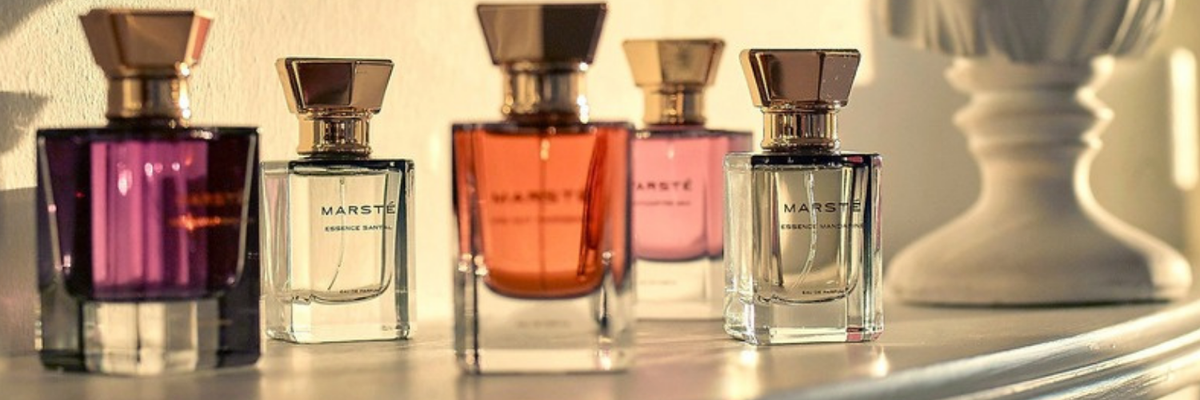
At House of Marsté, Essence Santal is our take on the style: a radiant New Caledonian sandalwood wrapped in soft musk, with nutmeg, cardamom, and orris. It can be worn alone or layered to give another fragrance a creamy, woody base. Learn more in what sandalwood smells like.
Amber and gourmand scents for warmth
Amber and gourmand fragrances lean richer. They may include vanilla, tonka bean, benzoin, caramel-like notes, saffron, resin, or warm woods. These scents are often associated with evening wear because they can feel enveloping and intimate, especially when the concentration is strong.
Maison Francis Kurkdjian Baccarat Rouge 540 is one of the most talked-about amber-woody fragrances, with an airy sweetness and polished feel that helped shape modern fragrance trends. Gourmand perfumes, meanwhile, are popular with people who want something comforting but still sophisticated. The key is balance: too much sweetness can become tiring, while a well-built gourmand feels smooth, memorable, and wearable.
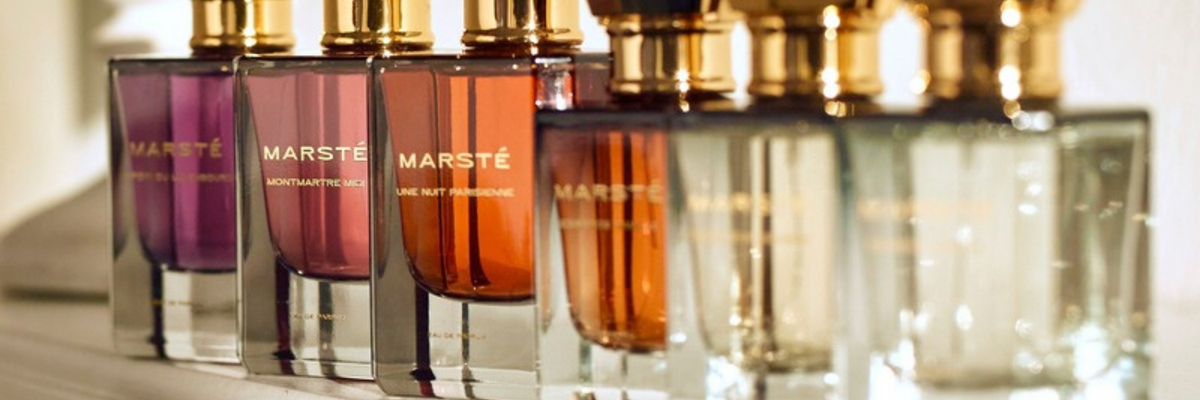
Our Une Nuit Parisienne sits right in this family. Hazelnut, chai spice, and Malabar plum open onto black tea and Damask rose, settling into a warm base of labdanum, vanilla, sandalwood, and musk. For a softer gourmand accent, Essence Vanille pairs creamy vanilla with woody coriander and a bright touch of key lime. See also what vanilla smells like in perfume.
Floral scents with classic and modern appeal
Floral perfumes remain some of the best perfumes for people who want elegance, softness, or romance. Rose, jasmine, tuberose, orange blossom, iris, and violet can all create very different effects. A rose-patchouli blend may feel dramatic and grown-up, while a fresh daisy-like floral can feel casual and bright.
Frédéric Malle’s Portrait of a Lady is often praised as a bold rose and patchouli composition with depth and presence. On the more accessible side, Marc Jacobs Daisy is widely recognized for its easygoing floral freshness, while Dior J’Adore is associated with a polished floral style. Floral does not have to mean delicate; it can be crisp, powdery, creamy, sparkling, or dark.
Two House of Marsté fragrances show that range. Jardin du Luxembourg is green and fresh, with rhubarb and green mandarin leading into white lilac, neroli, and petitgrain over cedar and ambrette. Montmartre Midi is sunnier and fruitier: star jasmine, pear, and honeyed orange blossom on a soft base of Atlas cedar and musk.
Citrus and fresh scents for clean energy
Citrus fragrances are ideal when you want something uplifting and low-effort. Bergamot, lemon, grapefruit, mandarin, and neroli can make a scent feel clean, sunny, and approachable. Fresh aromatic colognes may add lavender, mint, herbs, marine notes, or light woods for a just-showered impression.
These are especially useful in warm weather, office settings, or daytime routines. The tradeoff is that many citrus-heavy fragrances do not last as long as denser woody or amber scents. If performance matters, look for citrus scents with a musky, woody, or amber base that helps anchor the brightness.
Essence Mandarine is built exactly that way: green mandarin, lime, and orange leaves with ginger, anchored by musky ambrette seed. Worn alone it feels bright and fresh; layered, it lifts warmer scents. More on the note in what mandarin smells like in perfume.
How do you choose a signature scent?
Choose a signature scent by testing it on skin, wearing it for several hours, and noticing whether it still feels like “you” after the opening notes fade. A good signature scent should fit your lifestyle, feel comfortable in your usual settings, and leave an impression you actually want to repeat.
Start with your daily environment. A fragrance for close office spaces should usually be smoother and less projecting than one for nights out. If you want one bottle for year-round wear, look for balance: not too sweet for summer, not too sharp for winter, and not so unusual that you get tired of it quickly.
Use this simple testing checklist before buying a full bottle:
- Try it on skin, not just paper. Body chemistry can change how musk, woods, sweetness, and florals develop.
- Wait past the opening. The first 10 minutes are not the whole fragrance; the dry-down is what you live with.
- Test one or two at a time. Too many scents at once can blur your judgment.
- Wear it in a real setting. Notice how it feels at work, outdoors, at dinner, or around people you trust.
- Consider your wardrobe. Clean minimal style, bold evening outfits, and casual denim may each pair better with different scents.
- Ask if you’d miss it. A true signature scent feels natural enough to wear often but distinctive enough to feel special.
Longevity and projection also matter. Longevity is how long the scent lasts on skin, while projection is how far it radiates. Sillage describes the trail it leaves behind. If you prefer subtle fragrances, choose softer musks, light woods, or fresh florals. If you want presence, amber, oud, patchouli, vanilla, and extrait-strength formulas may suit you better.
For a deeper walkthrough, see how to find your signature scent with a fragrance discovery set.
Popular brands and standout fragrance styles
Some brands become popular because they create recognizable scent identities. Others stand out because one fragrance becomes a cultural reference point. Instead of ranking every bottle, it is more useful to understand what each style tends to offer. For a wider map, browse our list of 86 perfume and fragrance brands to know.
Luxury icons and designer best sellers
Designer and luxury perfumes often appeal because they combine polished formulas, recognizable branding, and broad wearability. Chanel No. 5 remains a classic reference for aldehydic florals, while Dior J’Adore represents a luminous floral direction. Versace Eros is often associated with a sweet, fresh, attention-grabbing style, and Jimmy Choo fragrances are known for accessible glamour across several releases.
These options are popular because they are easy to find, easy to sample, and usually designed for broad appeal. That does not make them boring. A well-made designer perfume can be exactly what someone needs: reliable, attractive, and versatile enough to wear often.
Niche fragrances with distinctive character
Niche fragrance houses often attract people who want something less common, more experimental, or more ingredient-focused. Shoppers looking for the most popular niche fragrance brands, for men or women, usually want houses with strong reputations among collectors and enthusiasts. Brands such as Creed, Le Labo, Maison Francis Kurkdjian, and Frédéric Malle are frequently discussed because their scents have recognizable signatures and devoted followings.
Niche does not automatically mean better, and designer does not automatically mean basic. The difference is often in creative direction, distribution, pricing, and the type of scent profile being emphasized. Niche fragrances may lean more unusual or concentrated, but the best choice is still the one you enjoy wearing.

House of Marsté is an independent, Paris-inspired house with its own point of view: three fine fragrances composed with master perfumer Michael Nordstrand, each named for a corner of the city, and three layering essences designed to work with them. Rather than one finished signature, the collection is built so you can compose your own.
A quick note on popular fragrances of the 80s
The popular fragrances of the 80s were often bigger, bolder, and more unmistakable than many modern “skin scents.” Power florals, spicy orientals, aromatic fougères, and strong musks reflected an era that embraced projection and personality. Compared with today’s softer minimalism, many 80s-style perfumes feel dramatic and room-filling.
That history matters because fragrance trends move in cycles. Modern releases may reinterpret vintage richness with cleaner musks, smoother ambers, or more transparent woods. If you like bold scents, exploring older styles can help you understand why some classics still feel charismatic.
What makes a fragrance feel expensive?
A fragrance often feels expensive when the composition smells smooth, balanced, and well-developed from opening to dry-down. Rare materials, careful blending, higher concentration, distinctive packaging, and brand heritage can all influence the impression of luxury, but price alone does not guarantee quality.
Concentration is one factor to understand. Eau de toilette is usually lighter, eau de parfum tends to feel richer and longer-lasting, and extrait de parfum is typically the most concentrated style. That said, performance depends on the formula, not just the label. A bright eau de toilette can outshine a heavy perfume if it suits the wearer and occasion. Every House of Marsté fragrance and essence is an eau de parfum; our guide to eau de parfum vs. eau de toilette explains the difference.
Ingredients also shape perception. Notes like oud, saffron, ambergris-style accords, high-quality rose, iris, sandalwood, and natural jasmine are often associated with luxury, though many modern fragrances use a mix of natural and synthetic materials. Synthetics are not a flaw; they can improve stability, diffusion, sustainability, and creative possibilities.
Packaging and presentation matter too. A heavy bottle, magnetic cap, elegant label, or heritage story can make the purchase feel more special. Still, the scent should come first. A beautiful bottle that you never wear is decoration, not a good fragrance investment.
A practical way to shop by mood and occasion
If you feel overwhelmed by top fragrances, shop by how and where you plan to wear them. This narrows the field quickly and helps you avoid buying something impressive but impractical.
| Occasion or mood | Fragrance style to try | Why it works | From House of Marsté |
|---|---|---|---|
| Daily office wear | Soft woods, clean musk, light citrus | Polished without overwhelming close spaces | Montmartre Midi |
| Date night | Amber, vanilla, rose, sandalwood | Warm, memorable, and intimate | Une Nuit Parisienne |
| Summer daytime | Citrus, neroli, aquatic, green notes | Fresh and easy in heat | Jardin du Luxembourg or Essence Mandarine |
| Cold weather | Oud, patchouli, resin, gourmand notes | Richer notes feel cozy and lasting | Une Nuit Parisienne layered with Essence Vanille |
| Signature scent | Balanced woody, floral, or musky blend | Versatile enough for repeated wear | Montmartre Midi layered with Essence Santal |
| Statement fragrance | Bold floral, smoky wood, spicy amber | Creates a stronger impression | Une Nuit Parisienne |
Layering can also help you personalize a scent, but start carefully. Use an unscented lotion to improve wear time, or combine fragrances with shared notes, such as vanilla with sandalwood or citrus with musk. Avoid layering two very loud perfumes until you know how each behaves alone.
This is the idea behind House of Marsté's layering essences. Each is designed to adjust a fine fragrance rather than compete with it: Santal adds creamy depth, Vanille adds warmth, and Mandarine adds brightness. Some favorite pairings are Montmartre Midi with Essence Santal, Jardin du Luxembourg with Essence Santal, Une Nuit Parisienne with Essence Vanille, and Essence Mandarine with Essence Vanille. Our guide on how to layer fragrances walks through the technique.
Smarter buying tips before you commit
Fragrance reviews are useful, but they should guide your testing rather than replace it. A perfume that smells amazing on one person may turn too sweet, too sharp, or too powdery on another. Sampling is especially important with expensive bottles, niche releases, and strong extrait formulas.
Before buying, consider:
- Your budget. Affordable best sellers can be satisfying, while luxury bottles may be worth it if you truly love them.
- Bottle size. Smaller bottles, travel sprays, and sample sets reduce risk when you are still exploring.
- Seasonality. Fresh scents may shine in heat; dense ambers may work better in cool weather.
- Authenticity. Buy directly from the brand or from reputable retailers, especially when discounts seem unusually steep.
- Wear frequency. The best value is not the cheapest bottle; it is the one you actually reach for.

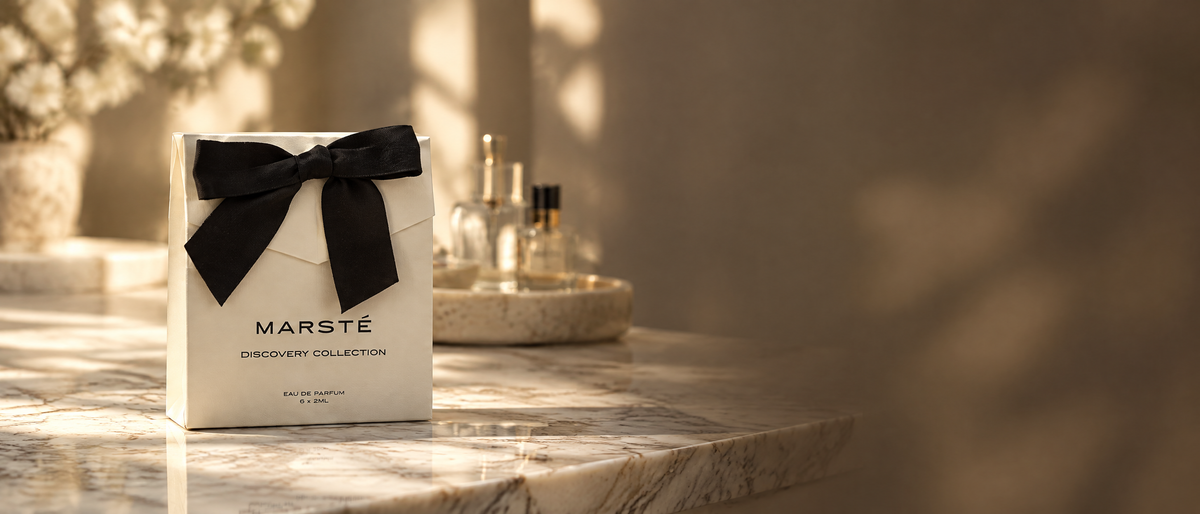
If you want to try before you commit, the House of Marsté Discovery Collection includes 2ml samples of all six of our scents, so you can test each one alone and in layers at home. Our Discovery Set guide explains how.
The most rewarding fragrance wardrobe does not need dozens of bottles. A clean daily scent, a warmer evening scent, and one expressive favorite can cover most situations. From there, you can explore trends, classics, and niche discoveries without feeling pressured to own everything.
Final takeaway
The best way to navigate popular fragrances is to start with scent families, then test specific brands and bottles within the styles you naturally enjoy. Woody musks, amber gourmands, florals, citrus blends, designer icons, and niche standouts all have a place, but personal fit matters more than hype.
Use trends as inspiration, not instructions. Whether you love a classic designer perfume, a modern luxury amber, or a distinctive niche cologne, the right fragrance should feel comfortable, expressive, and worth wearing again. And if you want a signature that's truly your own, House of Marsté is built for exactly that.