Perfume Brands: How to Choose Between Indie, Niche and Luxury
Choosing a perfume brand is less about chasing the loudest name and more about finding the house that matches your taste, budget, values, and mood. Today's fragrance world stretches from department-store icons to indie perfume brands, luxury niche perfume brands, affordable perfume brands, and small houses built around artistry rather than mass appeal. If you want a scent that feels personal instead of predictable, the best place to start is understanding how each type of brand thinks.

What makes a perfume brand worth exploring?
A perfume brand is worth exploring when it offers a clear point of view, reliable quality, and a scent experience that fits how you actually live. That may mean a polished designer fragrance you can find almost anywhere, a niche perfume brand with unusual materials, or a smaller independent house that tells a more intimate story through scent.
The "best perfume brands" are not always the most famous ones. A great brand helps you understand its fragrances, offers a way to sample before committing, and gives enough detail about notes, concentration, mood, and use case to make shopping less mysterious. The more specific the creative direction, the easier it becomes to decide whether the brand belongs on your skin or simply on your mood board.
Mainstream, designer, niche, and indie brands are not the same
Mainstream and designer perfume brands are usually built for broad appeal. They often live in beauty retailers, department stores, duty-free shops, and glossy campaigns. Houses connected to fashion or luxury beauty can make excellent fragrances, but their goal is often to create something many people will understand quickly: fresh florals, smooth ambers, clean musks, crowd-pleasing woods, or sensual vanillas.
Niche perfume brands usually place more emphasis on a distinct creative idea. A niche scent may highlight one raw material, recreate a memory, lean into unusual contrasts, or avoid obvious gender categories. Some niche houses build an entire line around a single natural ingredient used at a high dosage, so the fragrance reads as a direct portrait of that material.
Indie perfume brands tend to be smaller, more personal, and more experimental. They may be founder-led, produced in smaller batches, or developed around cultural identity, ethical sourcing, scent layering, or a very specific aesthetic. The trade-off is that indie fragrances can be harder to test in person, so sampling becomes essential.
The appeal of indie and niche perfume brands
Indie and niche fragrances attract people who want their scent to feel like a signature rather than a uniform. Instead of asking, "What is popular?" these brands often ask, "What emotion, material, place, or story can this fragrance express?" That shift is what makes the category so exciting for collectors, gift shoppers, and anyone bored by the same five scent profiles.
This does not mean niche always smells strange or indie always means inexpensive. Many luxury niche perfume brands are premium-priced because of their materials, perfumers, packaging, distribution, or positioning. At the same time, some indie houses offer discovery sets, travel sprays, oils, or smaller bottles that make exploration more approachable.
Look for brands that explain their creative process without hiding behind vague romance. Strong signals include clear note descriptions, sample options, transparent shipping and return policies, and realistic language about longevity. A brand does not need to promise "all-day projection" to be good; it needs to help you understand what kind of scent experience you are buying.
The main types of perfume brands, and what each one teaches you
These categories are not the only way to shop, but they are a useful map for deciding where to start.
| Brand type | What to look for | Best for |
|---|---|---|
| Mainstream and designer | Broad appeal, easy availability, familiar scent families | Everyday wear and a safe first step |
| Luxury niche | Strong creative direction, premium presentation, distinctive materials | Collectors and anyone wanting a standout signature |
| Heritage houses | Long history, traditional craft, elegant formulas | Shoppers drawn to classic, refined perfumery |
| Transparent modern brands | Ingredient disclosure, clear sourcing, thoughtful formulas | Shoppers who care how a fragrance is made |
| Personalized luxury | Layering, customization, emotional storytelling | Building a scent that is yours alone (House of Marsté is built around this approach) |
Heritage houses, including long-established Italian and French ones, deserve special attention because they often blend history with modern elegance. If you like fragrance that feels polished but not overly sweet, this category is worth sampling, with citrus, herbs, iris, leather, woods, and sun-warmed florals among its signatures.
Where House of Marsté fits
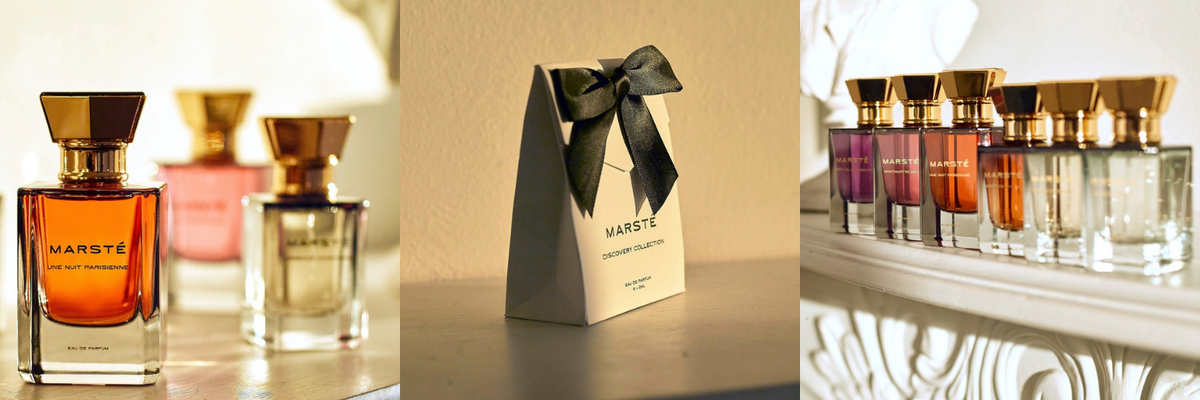
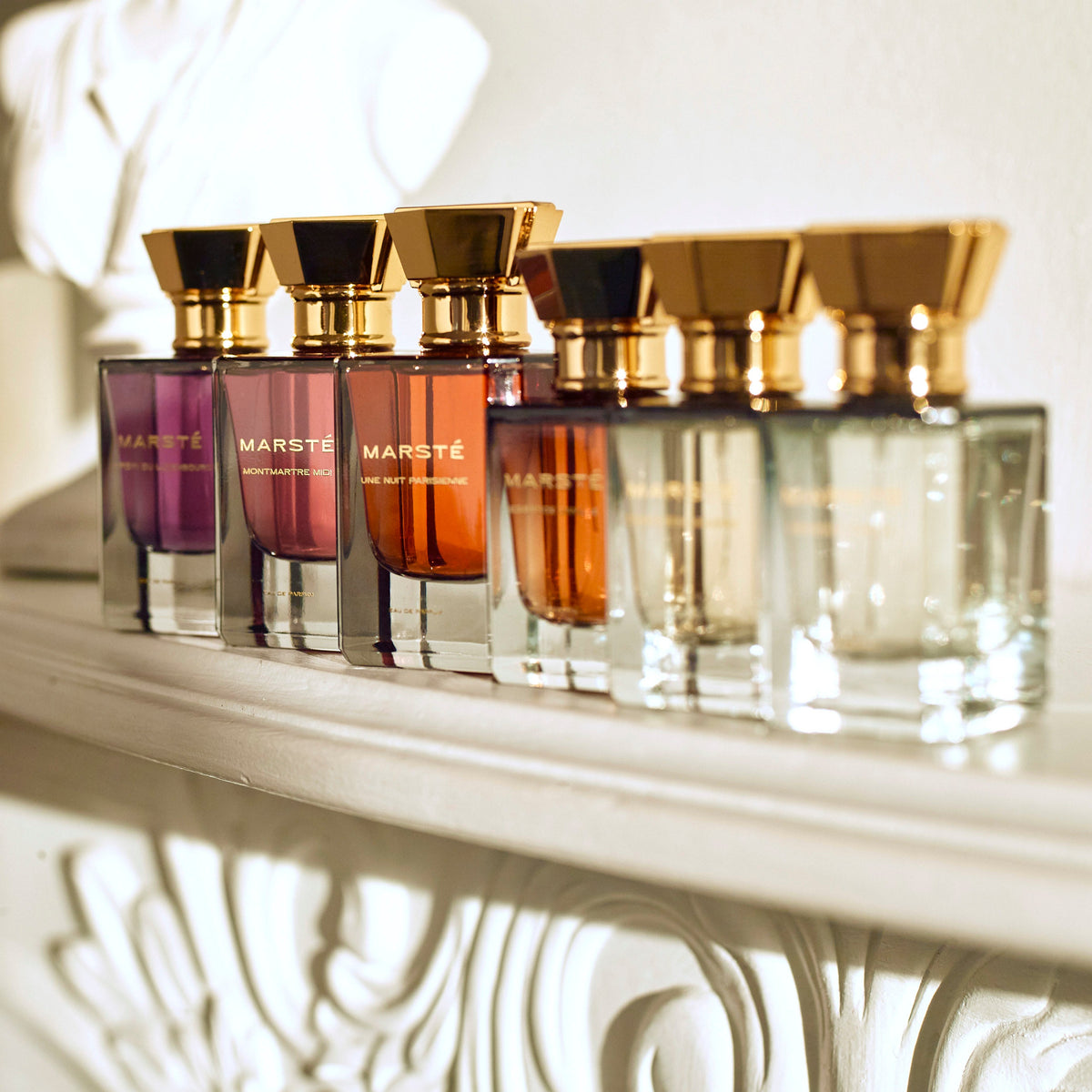
House of Marsté is a luxury fragrance and beauty house inspired by Paris memories and built for personalization. The line includes three 50ml eau de parfums, Une Nuit Parisienne, Montmartre Midi, and Jardin du Luxembourg, plus three 30ml layering essences, Essence Mandarine, Essence Santal, and Essence Vanille, designed to be mixed with them. Every Marsté product is cruelty-free, and the Discovery Collection lets you try the whole range in sample sizes before choosing a full bottle. If you are curious about combining them, our layering guide is a good place to start.

How do you find a scent that fits your personality and budget?
Start with the feeling you want, then narrow by scent family, format, and price. A perfume that fits your personality is not necessarily the boldest bottle or the most expensive one; it is the scent you can imagine wearing in real situations, from work mornings to dinners, travel, dates, or quiet weekends.
A practical way to shop is to translate your lifestyle into fragrance language:
- Clean and understated: try musks, tea, citrus, soft woods, airy florals, or skin scents.
- Warm and comforting: look for vanilla, amber, tonka, sandalwood, resin, milk, rice, or soft spice.
- Elegant and polished: explore iris, rose, neroli, bergamot, suede, powder, and smooth woods.
- Bold and memorable: test oud, leather, incense, tuberose, patchouli, smoky notes, or dense amber.
- Playful and modern: consider fruit, pistachio, sparkling citrus, gourmand notes, or unexpected green accords.
Budget matters, too. Luxury fragrance brands may justify their price for you if the scent feels refined, long-lasting, and emotionally right. Affordable perfume brands can be smarter for daily wear, layering, gym bags, or blind experimentation. Niche perfume brands often sit between art object and beauty product, so sampling before buying a full bottle protects both your wallet and your dresser space.
Sampling is the smartest way to buy perfume
Perfume changes as it moves from paper to skin. Your body heat, skin chemistry, climate, lotion, and even fabric can affect how a fragrance opens, softens, or disappears. That is why a scent that smells incredible in a store may feel too sharp, too sweet, or too quiet after three hours.

Use this simple testing process before committing:
- Start on paper. Spray once, wait a minute, and smell from a short distance before judging.
- Choose only two or three for skin. Too many scents at once will confuse your nose.
- Wear each test for a full day. Notice the opening, heart, drydown, and how often you want to smell it again.
- Test in your normal routine. A fragrance for work, summer heat, or evenings should be tried in that setting.
- Buy the smallest useful size first. Discovery sets, travel sprays, and decants are especially helpful for indie and niche perfume brands.
If a brand offers a sample set, that is often the best entry point. The Marsté Discovery Collection works this way, and our Discovery Set Guide walks through how to test it.
Authenticity matters when shopping online
Online fragrance shopping gives you access to brands you may never see locally, but it also requires care. Buy directly from the brand, from authorized retailers, or from reputable fragrance shops with clear authenticity policies. If a price looks unrealistically low, pause before checking out.
A safe buying checklist includes:
- Confirm the seller's return, shipping, and authenticity information.
- Compare bottle size, concentration, and packaging before judging price.
- Be cautious with marketplace listings that use vague photos or no batch details.
- Avoid blind buying full bottles based only on social media hype.
- Read reviews for patterns, not one dramatic opinion.
This is especially important with luxury niche perfume brands, where full bottles can be a serious purchase. It also matters for discontinued designer scents, viral fragrances, and imported bottles from less familiar sellers.
Social media can inspire you, but your nose gets the final vote
Fragrance communities have made perfume discovery faster and more democratic. A single viral review can introduce thousands of people to a small house, an affordable gem, or a forgotten classic. That energy is useful, especially when you are learning note families and seeing how different people describe the same perfume.
Still, social media can make every scent sound urgent. Before buying, ask whether the perfume fits your climate, wardrobe, comfort level, and scent history. If you usually dislike heavy vanilla, a trending vanilla may not change your mind. If you love quiet musks, the most complimented beast-mode fragrance may feel exhausting.
Final takeaway
The world of perfume brands is richer than designer counters alone. Mainstream houses offer accessibility, luxury fragrance brands deliver polish, niche houses bring artistry, and indie perfume brands often create the most personal surprises. The smartest path is simple: learn your scent families, sample patiently, buy from trustworthy sources, and choose the perfume that feels like you, not just the one everyone is talking about.