How to Layer Sandalwood Perfume: A Simple Guide
If you want to learn how to layer sandalwood perfume, the key is restraint. Sandalwood doesn't just add warmth to a fragrance, it add character and depth.
Used well, it can turn a pleasant scent into a memorable one, but because it's rich and dense, a little goes a long way. This guide covers what sandalwood smells like, how to apply it, which fragrances it pairs with, and the mistakes to avoid.
What Does Sandalwood Smell Like in Perfume?
Sandalwood is a base note with real presence: creamy, woody, and softly smoky, with a texture that feels almost tactile compared to lighter notes. Of the major woods used in perfumery, it's generally considered the softest and most universally wearable, which is why it's such a dependable layering choice.


Why Does Sandalwood Work So Well for Layering?
Sandalwood does two things at once. It reinforces the base of your fragrance, which can help the scent last longer, and it adds a grounded, sophisticated quality to fragrances that might otherwise feel one-dimensional. (Learn more in our guide to how to make perfume last longer.)
How to Layer Sandalwood Perfume, Step by Step
Apply your base fragrance first to clean, moisturized skin
Add one light application of sandalwood essence to the same or nearby pulse point (wrists, neck, behind the ears)
Start small. If you're new to sandalwood layering, begin with a single light spray, held a little distance from your skin, and build up across a few wears as you learn how your fragrance responds.
Give it 30 minutes to an hour before judging the result. Like most base notes, sandalwood needs time to develop.
A Note With a Centuries-Old Legacy
Sandalwood has been prized for far longer than most fragrance materials. It has been used in religious ceremonies, traditional medicine, and perfumery across South and Southeast Asia for thousands of years, before it became a staple of Western fine fragrance.
In many traditions, sandalwood paste and oil were part of meditation and ritual practice, valued for a calming, grounding quality that went beyond simple aroma. That history is part of why sandalwood still carries associations with warmth, ritual, and grounding in modern perfumery.
Does Sandalwood Source Matter? Mysore vs. Australian vs. New Caledonian
Yes. Where sandalwood is grown changes how it smells. Mysore sandalwood, from India, was long considered the gold standard, creamy, soft, and deeply woody, but decades of over harvesting made it scarce and heavily regulated, and genuine Mysore oil is now tightly controlled and extremely expensive when available at all.
Australian and New Caledonian sandalwood have emerged as respected, more sustainable alternatives, with a similar creamy-woody profile and slightly drier, more mineral undertones. Essence Santal is built on New Caledonian sandalwood, chosen for its distinctive character and its more responsible sourcing profile compared with increasingly rare Mysore stock.

Sandalwood vs. Other Woody Notes
Sandalwood often gets grouped with other woody notes, but they smell quite different:
| Woody Note: | What it Smells Like: |
| Sandalwood | Creamy, soft, and warm, with a gentle smokiness. The most approachable of the woods |
| Cedarwood: | Drier and sharper, like a freshly sharpened pencil. Crisp rather than creamy |
| Agar Wood: | Far more intense, resinous, and animalic, often dark and smoky |
| Vetiver: | Earthy and green with a slightly smoky edge, rather than creamy |
Common Sandalwood Layering Mistakes
- Applying too much. Sandalwood has real density and staying power, so one spray over your base fragrance is usually enough. More won't make it more sophisticated, it will make the composition heavier and less balanced.
- Judging too early. Sandalwood needs time on skin before its full character emerges.
- Spraying clothing instead of skin. Sandalwood relies on body warmth to develop, so it tends to smell truer when applied to pulse points.
Sandalwood Layering for Everyday vs. Special Occasions
Because of its richness, sandalwood layering suits moments when you want to be remembered: dinners, events, and cooler-weather days. For a lighter everyday touch, use a single very light application rather than skipping it, since even a small amount adds a subtle grounding quality without overwhelming a daytime look.
What Fragrances Pair Well With Sandalwood?


Does Your Skin Type Change How Sandalwood Wears?
It can. Oilier skin tends to hold fragrance oils, including sandalwood's heavier molecules, longer than very dry skin, so a layered scent on dry skin may fade faster or read lighter than intended. If you have drier skin, moisturizing first with an unscented lotion can help the fragrance oils bind more effectively and extend both intensity and wear time.
Frequently Asked Questions:
Is sandalwood a masculine or feminine note?
Neither, inherently. Sandalwood is one of the most gender-neutral notes in perfumery, used across cultures and by all genders, and it works layered into traditionally feminine or masculine fragrances.
How long does sandalwood layering last?
Because it's a base note with real molecular weight, a sandalwood layer can noticeably extend a fragrance's wear time. Exact duration varies by your skin, the base fragrance, and how you apply it.
Does sandalwood work for people who find woody fragrances too heavy?
Often, yes. Sandalwood's creamy, softer character makes it one of the more approachable woody notes, especially compared with sharper cedarwood or more intense oud.
Should I apply sandalwood before or after my perfume?
After. Apply your base fragrance first, then add the sandalwood essence on top at the same or a nearby pulse point.
THE BEST SANDALWOOD FRAGRANCE FOR LAYERING:
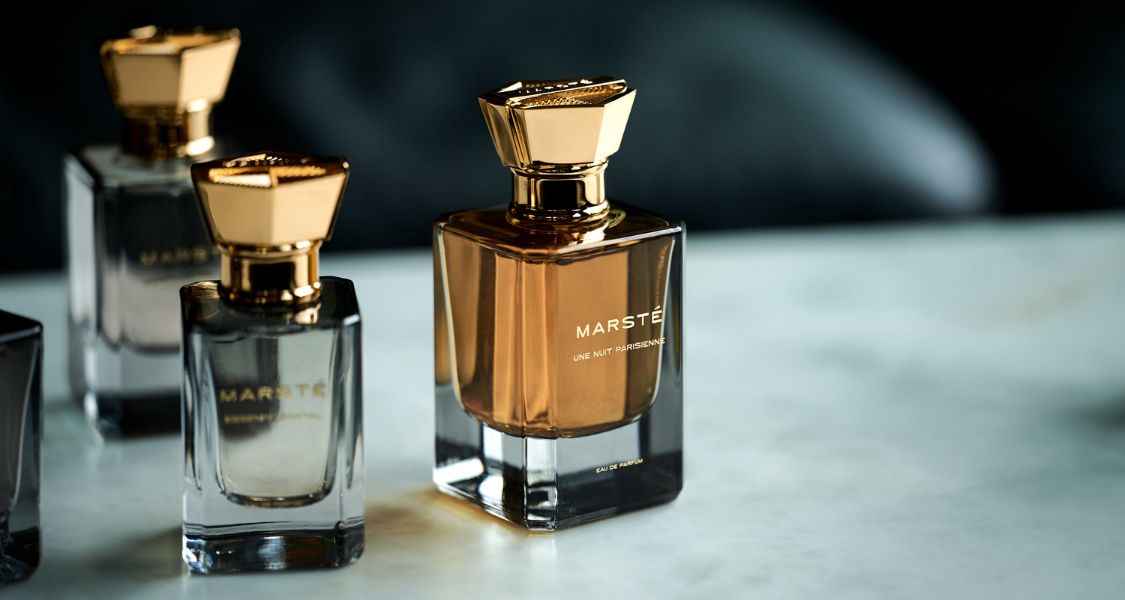
Essence Santal is Marsté's sandalwood layering essence, built on New Caledonian sandalwood for its distinctive character and its more responsible sourcing profile compared to increasingly rare Mysore stock.
It's a creamy, woody base note with a hint of smoke and a tactile, almost velvety richness that reads as grounding and sophisticated rather than loud. That's what makes it such an effective layering base for longevity: base notes are what remain on skin after the lighter top and heart notes have faded, so a single light application over your fragrance reinforces that foundation and helps your scent last, while adding depth to compositions that might otherwise feel one-dimensional.
Because sandalwood is the softest and most wearable of the major perfumery woods, it layers easily over a wide range of scents, from fresh green florals to bright citrus and richly woody compositions, and a little goes a long way.


THE AUTHOR: Marlena Stell
Marlena is the founder of Marsté, a fragrance and beauty brand, and a cosmetic formulator with more than 18 years of experience. She teaches beauty and fragrance education to over 1.5 million subscribers on YouTube, and she brings that formulation background into every Marsté fragrance and layering essence.
OTHER ARTICLES:


Ecrit par Marlena Stell