What Does Mandarin Smell Like in a Fragrance? A Guide to This Bright Citrus Note
Of all the citrus notes used in perfumery, mandarin may be the friendliest and most crowd pleasing. Lemon can feel sharp. Grapefruit can turn bitter. Bergamot is sophisticated, but a little more reserved. Mandarine, by contrast, is immediately recognizable: sweet, juicy, and softly green- like peeling the fruit itself rather than smelling like citrus cleaner.
That easy brightness is why mandarine appears so often in fragrances designed for everyday wear. It gives a composition an inviting first impression without making it feel overly tart, sugary, or simple.
What mandarine actually smells like
Mandarine- also commonly called mandarin in perfumery- belongs to the citrus family, but it smells noticeably softer and sweeter than many of its relatives. Think of the fruit's fragrant peel and pith as much as its juice: rounded, sunny sweetness with a faint green, leafy edge.
Where lemon is tart and grapefruit is bracing, mandarine feels more supple and luminous. Its balance of sweetness and green zest makes it exceptionally versatile. It can brighten a fragrance without pushing it into a purely acidic or sharp direction.
Mandarine vs. green mandarine
There is a useful distinction between mandarine and green mandarine in fragrance:
•Ripe mandarine is sweeter, rounder, and more fruit-like.
•Green mandarine, expressed from fruit harvested before full ripeness, is zippier, more bitter, and more herbaceous. It has a vivid peel-like quality that feels especially fresh.
Fine fragrances often use green mandarine for that extra dimension of lift and texture. Several scents in the Marsté collection use it to create an opening that feels fresh without becoming overly sharp or tarte.

How mandarine compares with other citrus notes
| Citrus Note: | Typical Impression in Perfume |
| Mandarine |
Soft, juicy, and sweet, like fresh peel with a gentle green edge. Friendly and easy to wear |
| Green Mandarine |
Sharp, herbal, and slightly bitter, like crushed peel from an unripe fruit. Energizing and lively |
| Bergamot |
Polished and sparkling with a faint floral, tea-like softness. The most refined of the citruses |
| Lemon |
Zesty, clean, and mouthwatering, like freshly grated zest. Crisp and instantly awake |
| Grapefruit |
Juicy but bitter, with a sparkling, almost rosy edge. Modern and a little cool |
| Sweet Orange | Warm, sunny, and sweet, like marmalade or orange peel in the sun. Comforting and cheerful |
Mandarine sits comfortably between these extremes: sweeter than bergamot or lemon, but greener and more nuanced than sweet orange. That balance helps it feel at home in versatile daytime fragrances as well as more layered compositions.
Why mandarine fades quickly, and why that is part of its appeal
If a citrus-forward fragrance is strongest in the first few minutes and then seems to soften, that is not a sign of poor quality. Citrus materials contain highly volatile aromatic compounds, which means they evaporate more quickly than richer base notes such as sandalwood, vanilla, or musk.
That is why mandarin is generally used as a top note. It is the opening gesture: the first burst of freshness that shapes a fragrance's personality before the heart and base notes emerge.Its fleeting quality is also what makes it beautiful for layering. A fresh application of mandarine can revive a scent during the day and add brightness over a warmer, longer-lasting foundation without obscuring it.
Essence Mandarine: brightness with substance
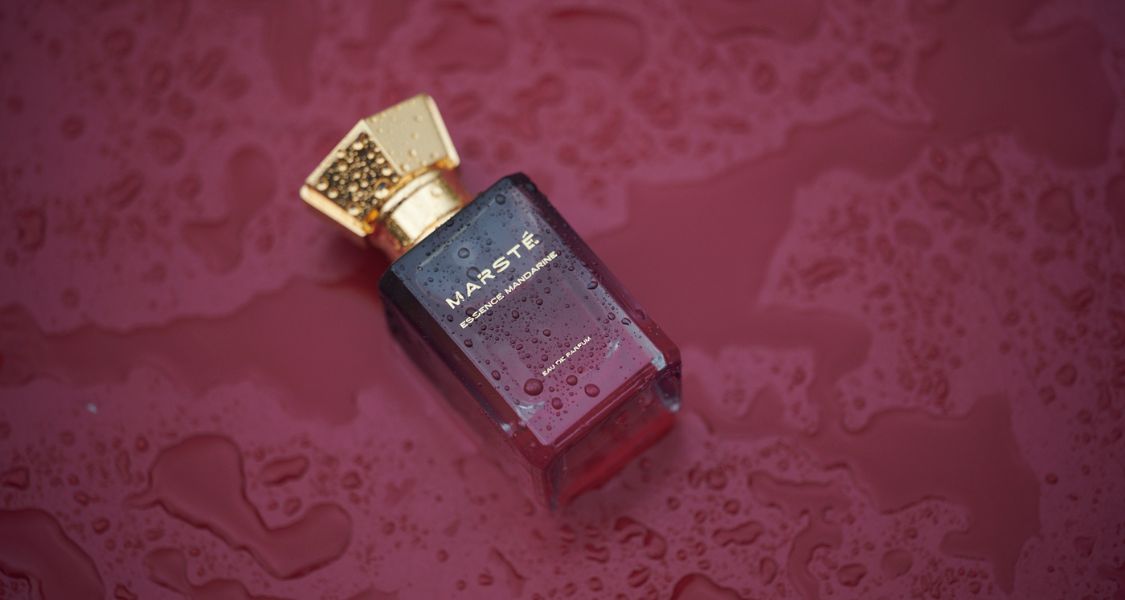
Essence Mandarine is built around green mandarine, paired with ginger and ambrette seed.The green mandarine brings a vibrant, peel-like freshness. Ginger adds a subtle, radiant spice, keeping the citrus from feeling one-dimensional. Ambrette seed, derived from the seeds of the Abelmoschus moschatus plant, contributes a soft, musky-floral, skin-like effect that gives the composition a gentle sense of depth.
The result is fresh and energetic, but not weightless: citrus with a backbone. Wear it on its own when you want an uplifting daytime scent, or use it as a layering essence to bring lift to a richer fragrance.
Because it shares green mandarine with the top accord of Jardin du Luxembourg, Essence Mandarine can also reinforce that opening freshness later in the day- after the first spray of your fragrance has settled.

How to Wear Essence Mandarine
On its own, Essence Mandarine is especially suited to daytime, warm weather, outdoor plans, or any moment when you want a fragrance that feels awake and effortless. Its balance of citrus, spice, and soft musk keeps it wearable beyond summer, too.
For layering, try it with:
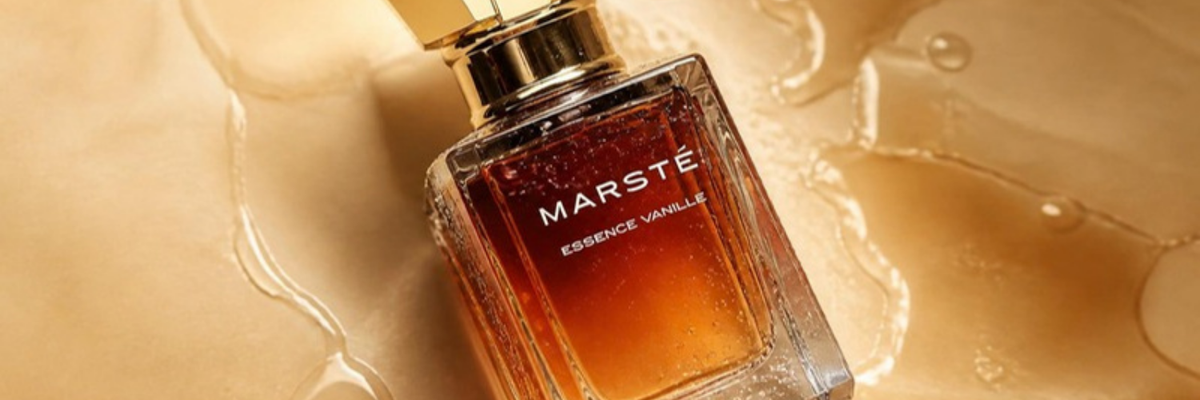
•Essence Vanille, where its citrus brightness illuminates vanilla's natural warmth.
•Woody fragrances, to add a clean, lively edge to sandalwood or other deeper notes.
•Floral fragrances, to make the opening feel more sparkling and open.
A light application over a warm base can turn a purely comforting fragrance into one that feels more dynamic and alive.

Beyond the bottle...
Mandarine's appeal extends beyond fine fragrance. It appears frequently in home scent, body care, and aromatherapy-inspired blends because it is widely perceived as cheerful, easy to wear, and rarely polarizing. Its sweetness makes a space or fragrance feel welcoming; its green zest keeps that sweetness feeling clear rather than heavy.
Top notes create a fragrance's first impression, but the full story only appears as the scent develops on skin.
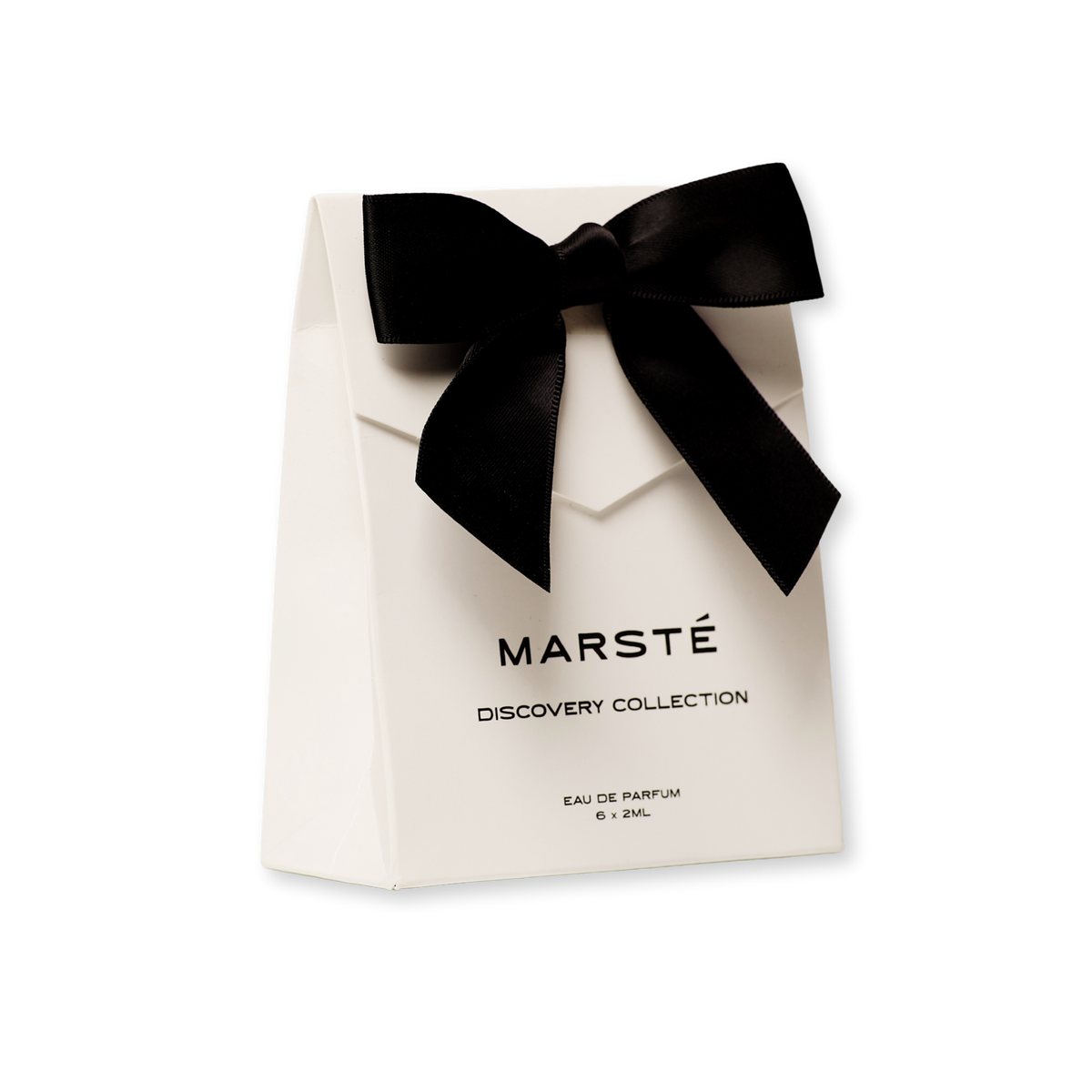
The Discovery Collection includes a 2 ml sample of Essence Mandarine alongside the rest of the Marsté line, so you can experience its bright opening, softer dry-down, and layering potential over time.
Mandarine may not be the longest-lasting note in a perfume, but it is often the one that makes you lean in for a second breath. Done well, that first impression is worth chasing.